Esports, once considered a niche subculture within the vast realm of video gaming, has burgeoned into a thriving global phenomenon, reshaping the landscape of modern gaming. This evolution is not just about the games themselves, but the culture, economies, and communities that have grown around them.
At its core, esports refers to organized competitive gaming, where individuals or teams go head-to-head in popular video games. Titles like "League of Legends," "Counter-Strike: Global Offensive," "Dota 2," and "Fortnite" dominate the scene, drawing millions of viewers to online broadcasts and live events alike. These competitions offer substantial prize pools, sometimes in the millions of dollars, incentivizing players to hone their skills professionally.
One of the pivotal ways esports has influenced gaming is through the development and design of games themselves. Game developers now strategize on creating games with the potential for competitive play. They focus on balance, ensuring that no single strategy or character overwhelmingly dominates, and they create arenas and environments that foster competitive play. Developers are also increasingly considering the spectator experience, facilitating better camera angles, replays, and highlights to enhance viewer engagement.
Furthermore, esports has cultivated a new kind of star—esports athletes. These individuals have dedicated themselves to mastering their chosen game, often training for hours daily. They enjoy fan followings akin to traditional sports athletes, complete with sponsorships and celebrity status. Organizations and teams such as Cloud9, Team Liquid, and Fnatic have risen, drawing parallels to sports franchises, with dedicated fanbases and regional affiliations.
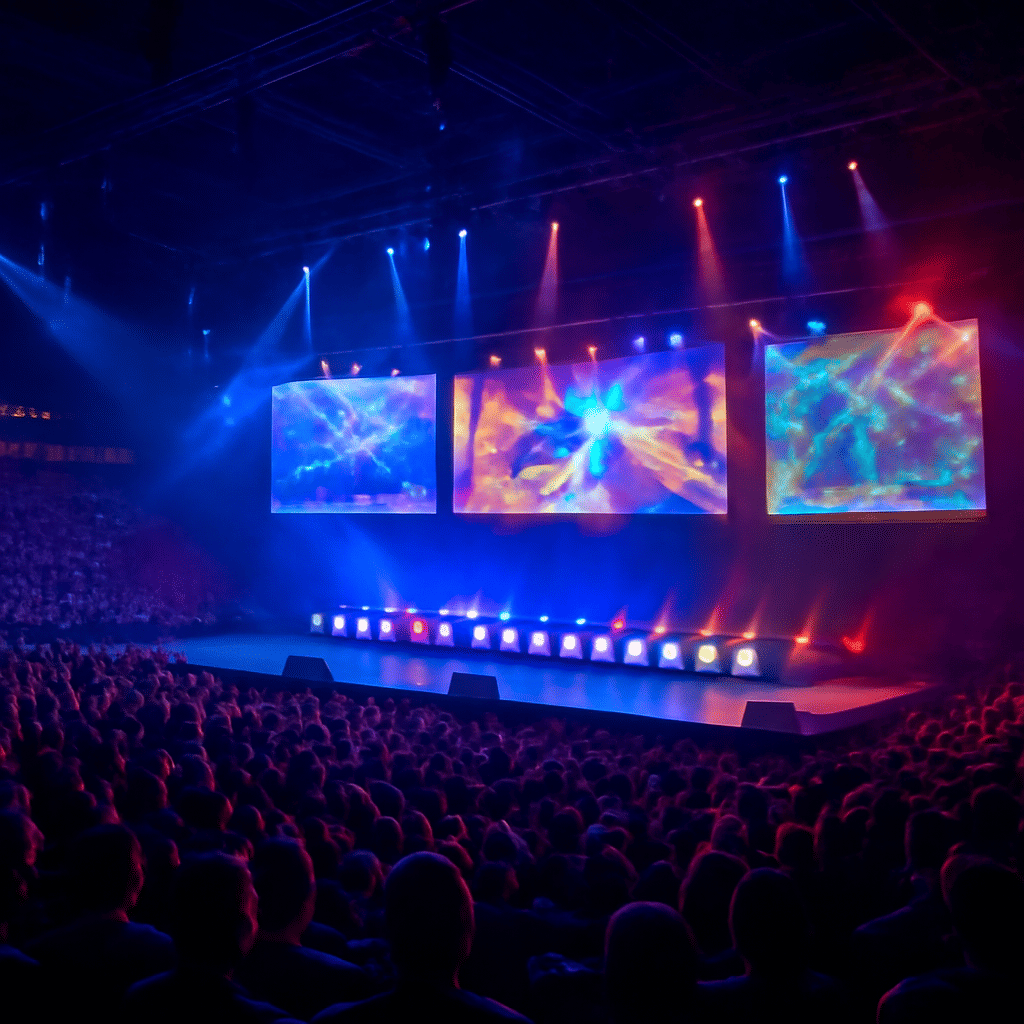
Esports has revolutionized the way games are experienced not only by players but by audiences as well. Platforms like Twitch and YouTube Gaming have become hubs for streaming live games, allowing fans to watch their favorite players and teams in action. Esports events now fill stadiums, attracting thousands of fans who gather to witness live play, an experience reminiscent of attending a major sporting event. The environment is electric, with cheering, merchandise, and celebrity appearances adding to the allure.
The future of esports looks incredibly promising, with opportunities extending beyond gaming. Educational institutions are offering esports scholarships, and there is increasing dialogue about including esports in major multi-sport events such as the Olympics. Developers might further integrate virtual reality and augmented reality into gameplay, offering an even more immersive experience for both players and spectators.
As this digital competition continues to rise, it poses questions about regulatory oversight, inclusivity, and mental and physical well-being. As with any sport, esports must tackle issues such as performance-enhancing drugs, match-fixing, and maintaining fair play integrity. There is an ongoing conversation about inclusivity within esports, encouraging diversity in player demographics and reducing barriers for entry. Additionally, awareness of mental health and balanced lifestyle is becoming increasingly important, with organizations incorporating wellness programs for their players.
In conclusion, esports has evolved from modest beginnings into a dynamic and influential industry, captivating millions worldwide. It has transformed gaming from a solitary activity into a communal sport, uniting fans and players around a shared passion for competition and digital prowess. As technology advances and societal perspectives shift, esports will undoubtedly continue to play a vital role in modern gaming, charting new territories and redefining entertainment as we know it.